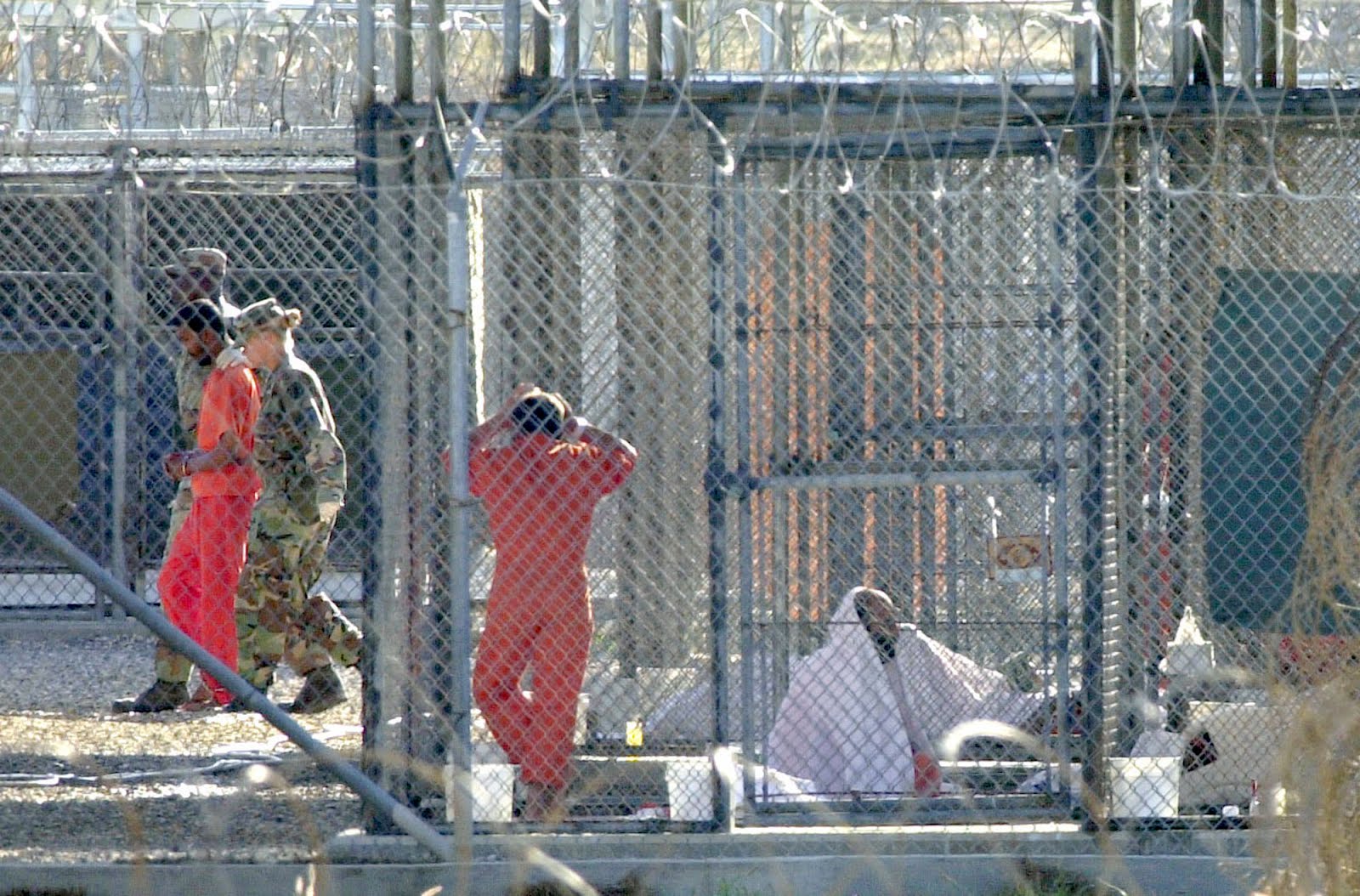
August 25th 2015: South Carolina Governor Nikki Haley and Kansas Governor Sam Brownback signed a joint letter to Defense Secretary Ashton Carter stating their opposition to transferring GTMO detainees to their respective states. The letter comes as reports have emerged that the pentagon is examining whether military prisons in Kansas and South Carolina could be…
Read moreGuantánamo Public Memory Project
Tag: Torture
This Week in Guantánamo: 2015 and 1994
This Week in Guantánamo: Present and Past
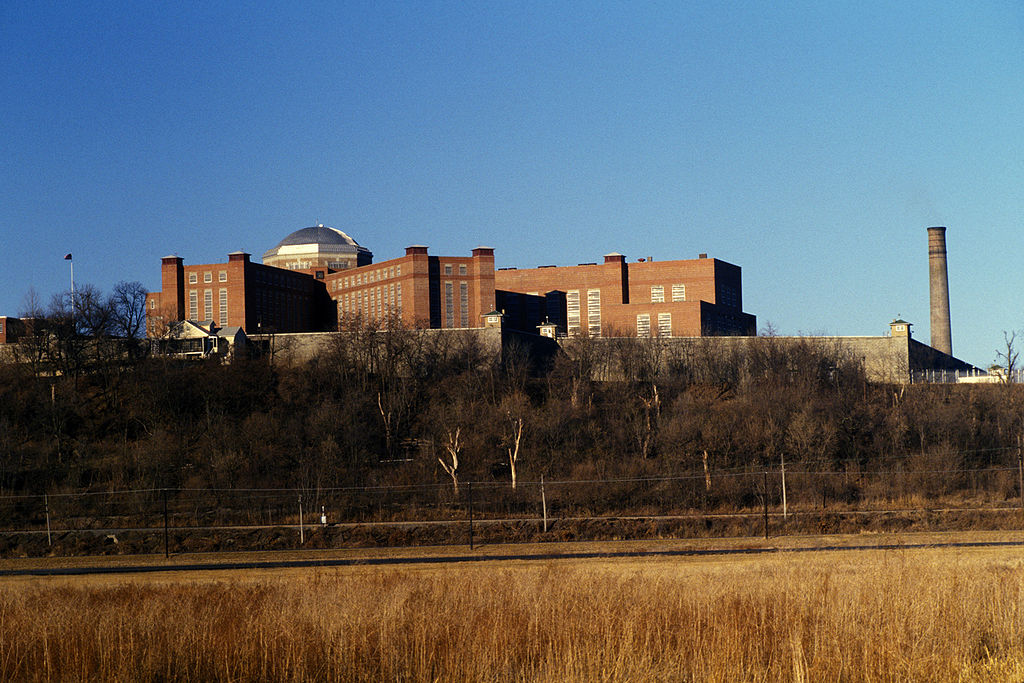
August 19th 2015: This week, representatives of The Department of Defense examined different locations throughout the United States to determine where current detainees at Guantanamo will be transferred to following a potential closure. The representatives have toured and are considering a few different facilities throughout in the United States. The two main military prisons being considered…
Read moreThis Week in Guantánamo: 2015 and 2010
This Week in Guantánamo: Present and Past
August 7th 2015: The American Psychological Association (APA) voted on Friday to adopt a policy of baring members from participating in national security interrogations. The vote came amid the controversy surrounding the recent release of the Independent Review Relating to APA Ethics Guidelines, National Security Interrogations, and Torture (aka The Hoffman Report). The Hoffman Report…
Read moreThis Week in Guantánamo: 2015 and 2008
This Week in Guantánamo: Present and Past
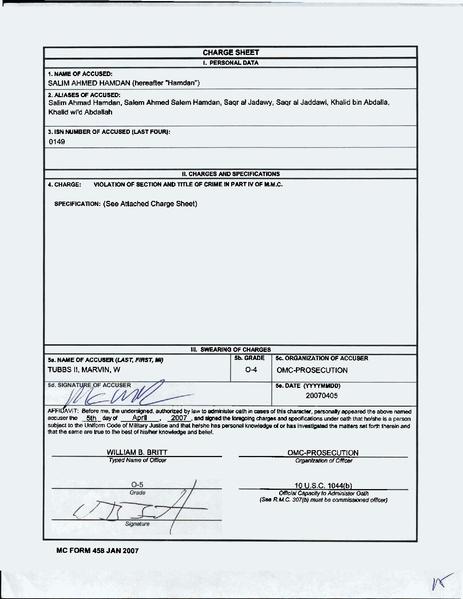
August 4 2015: An ongoing investigation into whether there are carcinogens present in GTMO’s court facilities is currently taking place. The investigation comes amid recent reports that seven people who had worked on detainee trials, both military officials and civilian lawyers have been diagnosed with cancer. Three of these seven cases have been fatal, with…
Read moreThis Week in Guantánamo: 2015 and 2004
This Week in Guantánamo: Present and Past
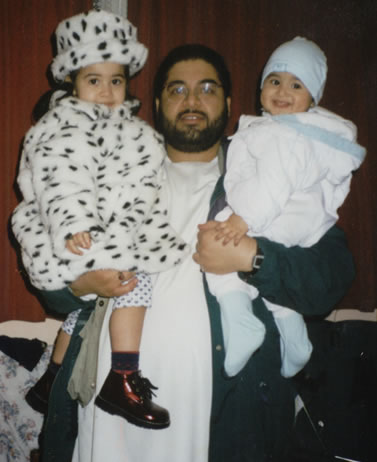
July 4th 2015: A group of over 90 British politicians, activists, musicians, writers and actors signed an open letter to U.S President Barack Obama urging him to release Shaker Aamer from GTMO. Aamer, a British resident has been detained at GTMO since February 14 2002 shortly after being captured by bounty hunters in Afghanistan who…
Read moreExciting GPMP News
National Dialogue and Traveling Exhibit
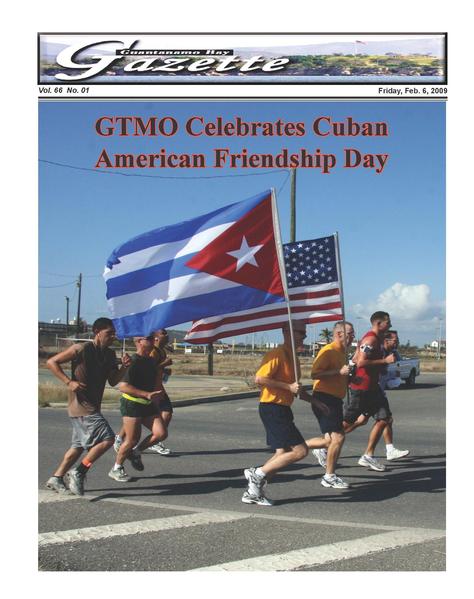
In the past few weeks there have been some very exciting developments for GPMP….. First off, three weeks ago GPMP was granted funding from LAMP (Latin American Microform Project) for digitization of The Guantanamo Bay Gazette. Old editions of the Gazette are now being digitized and uploaded to GPMP’s online GTMO archive, hosted by Dloc (The Digital…
Read moreThis week in Guantánamo: 2015 and 2006
This Week in Guantánamo: Present and Past
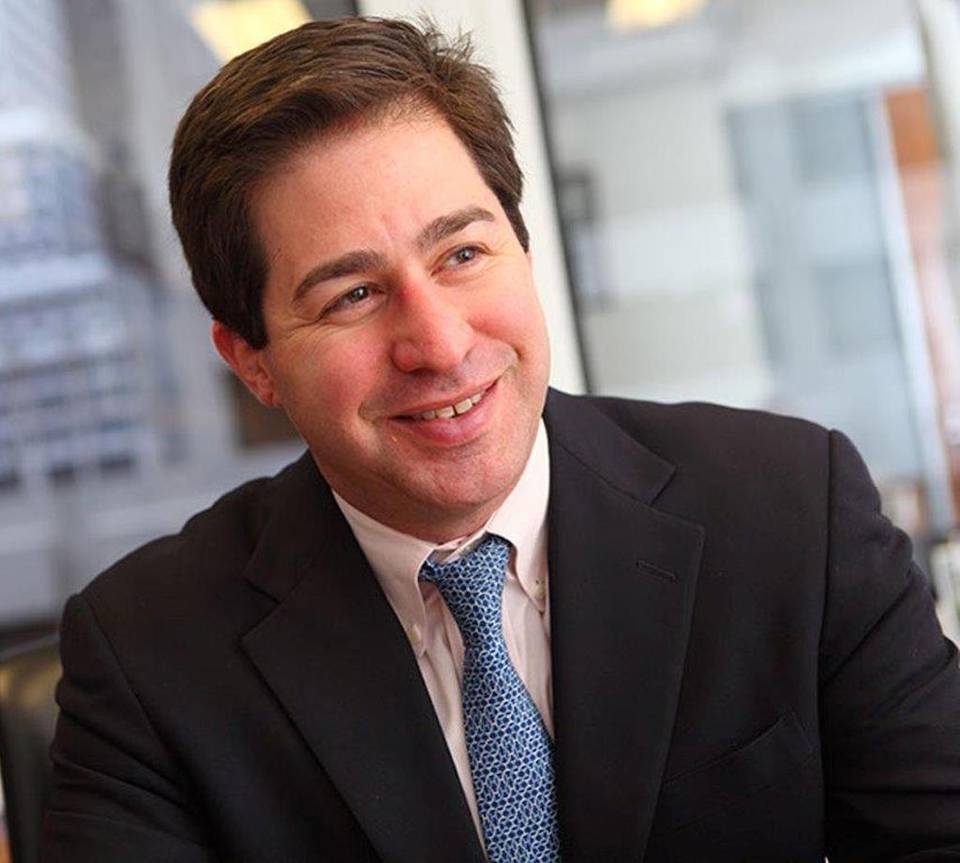
June 30th 2015: Security of State John Kerry announced that attorney Lee S. Wolosky will be taking over the position of Special Envoy for Guantanamo Closure, aka “GTMO closer.” This position, which had been previously held by attorney Clifford Sloan and U.S diplomat Dan Fried was created by President Barack Obama as part of his attempt to…
Read moreKaren Greenberg Joins the National Dialogue
The Guantánamo Public Memory Project is thrilled to announce that Karen J. Greenberg will speak on December 14 at NYU’s King Juan Carlos Center as part of Why Remember Guantanamo? , the 2-day national dialogue to launch our traveling exhibit. Karen J. Greenberg, a noted expert on national security, terrorism, and civil liberties, is Director of the Center on National Security. She is the…
Read moreThe Irrelevance of Guilt
National Dialogue and Traveling Exhibit
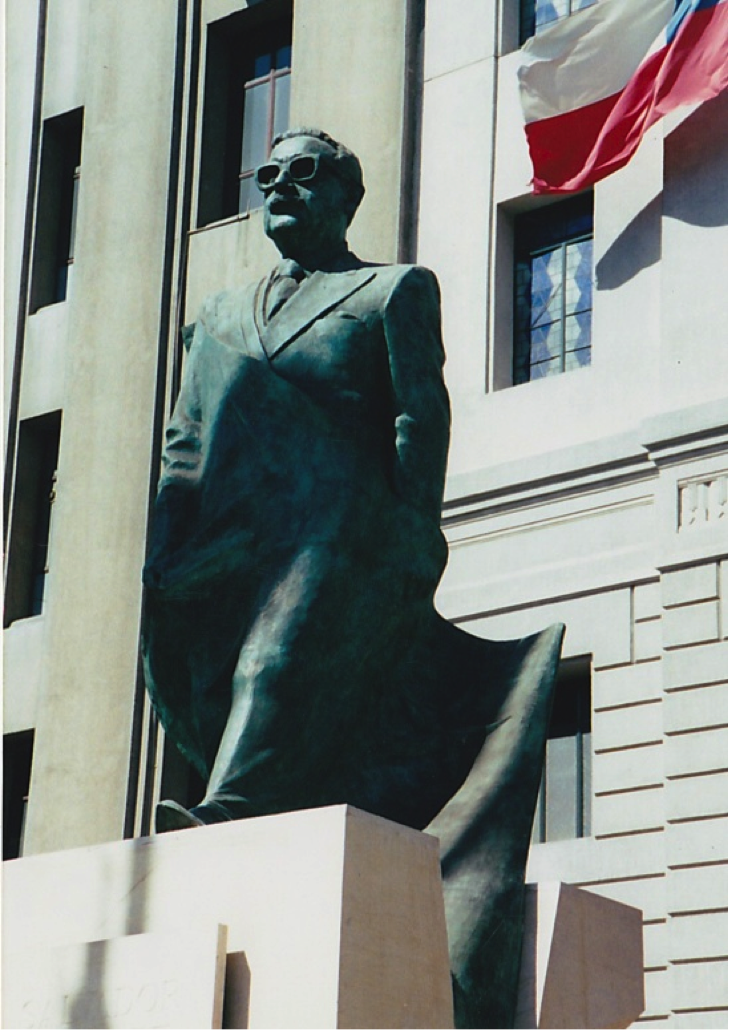
A year before 9/11 meant anything in the United States, I found myself cornered at a dinner party in Santiago, Chile, trapped into a conversation with a middle-aged man, a friend-of-a-friend of a second cousin of my host parents. He was trying to teach me about Pinochet and human rights, and I will never forget…
Read moreInterrogation and Torture at Guantánamo
National Dialogue and Traveling Exhibit

When the September 11th terrorist attacks occurred, I was a young teenager developing a personal interest in the world around me and the politics that controlled it. However, there wasn’t much to discuss in the aftermath of 9/11. President Bush had announced that “either you are with us, or you are with the terrorists,” and…
Read more
Creative: Picture Projects & Tronvig Group